Xinhui Technology

Wird geladen

Archiv 2025

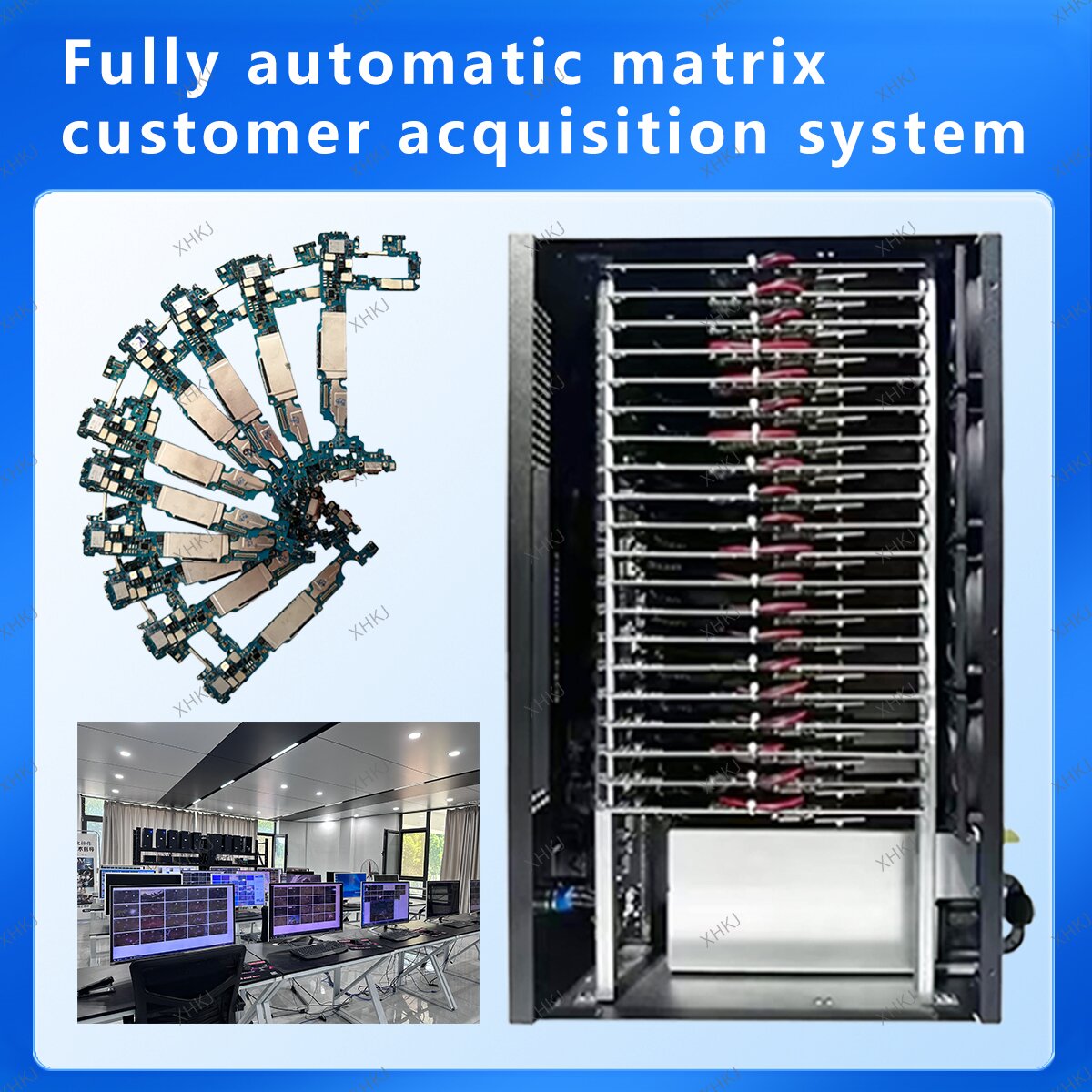
Mobile Farm Phone Automated customer acquisition system

A “Mobile Farm Phone Automated Customer Acquisition System” could be an innovative solution designed to streamline the process of acquiring new customers for a farm-based business, particularly those in agriculture, farming services, or agri-tech. Here’s a possible outline of how this system could work:

1. Mobile Interface

  • A mobile application or SMS-based system that customers can easily access via smartphones or feature phones.
  • The app should be user-friendly, with a simple interface allowing farmers or customers to inquire about services, purchase products, or receive farming advice.

2. Automated Lead Generation

  • CRM Integration: Automatically track potential customer data, such as their location, purchasing habits, or types of farming practices.
  • Forms and Surveys: Use automated forms or surveys to collect customer information, such as farm size, crop type, or needs (e.g., seeds, fertilizers, farm machinery).
  • Lead Scoring: Based on the data collected, leads can be scored for priority follow-up by the sales team or automated response.

3. Automated Communication and Engagement

  • Chatbots & AI Assistance: Use AI chatbots to engage with potential customers, answering common queries about farm products, services, or consultations. This can be available 24/7.
  • SMS/Push Notifications: Regular SMS or push notifications sent with offers, advice, or seasonal promotions. It helps to engage farmers on mobile phones, ensuring regular updates and reminders.
  • Voice Calls: In areas with low internet penetration, automated voice calls can be used to offer services, discounts, or reminders.

4. Data-Driven Recommendations

  • Based on the farmer’s data (like crops or location), the system could automatically suggest relevant products or services that match their needs, such as specialized fertilizers, seeds, or farm equipment.
  • The system could integrate weather forecasts, market trends, and other data sources to make timely suggestions.

5. Follow-Up and Conversion Optimization

  • Automated Emails/SMS Reminders: For leads who showed interest but didn’t convert, automated reminders or offers could be sent to push them towards a purchase.
  • Incentives: Offer discounts, loyalty programs, or other incentives through automated messages for first-time buyers, repeat customers, or referrals.

6. Analytics and Reporting

  • Customer Insights: The system can generate detailed reports on customer acquisition trends, best-performing products, and sales conversions. This helps refine future marketing strategies.
  • Performance Metrics: Automated tracking of key performance indicators (KPIs) like conversion rates, customer retention, and revenue growth.

7. Integration with Other Platforms

  • The system can be integrated with e-commerce platforms or inventory management tools to ensure that customers receive real-time updates on product availability, prices, and shipping details.
  • It could also be linked with payment gateways to enable easy and secure transactions directly from mobile.

Example Workflow:

  1. Customer Inquiry: A farmer sends an SMS or opens the app to inquire about seeds.
  2. Automated Response: The system automatically responds with seed options, pricing, and delivery information.
  3. Data Collection: The farmer provides details about farm size, location, and needs via a simple SMS form.
  4. Follow-Up: Based on the data, the system sends targeted recommendations or offers.
  5. Purchase/Conversion: The farmer receives an SMS with a link to complete the purchase or schedule a consultation.
  6. Post-Purchase Engagement: After the purchase, the system sends follow-up messages for feedback or suggestions for future purchases.

Benefits:

  • Efficiency: Automates the process, reducing the time and cost associated with customer acquisition and management.
  • Personalization: Offers customized recommendations based on collected customer data.
  • Scalability: Easily scalable to reach a large number of potential customers, even in rural areas with limited internet access.
  • Cost-Effective: Reduces reliance on traditional customer acquisition methods like cold calls or physical meetings.

This system could be particularly useful for small and medium-sized farms looking to grow their customer base or expand their business without large marketing budgets.
Mobile Farm Phone Social media promotion

Mobile Farm Phone Social Media Promotion refers to using mobile phones as tools for managing and promoting farm-related businesses, agricultural products, or farm equipment through social media platforms. Social media promotion can help farmers or agricultural businesses reach a broader audience, increase brand visibility, and ultimately drive sales. Here’s how mobile phones can be used effectively for social media promotion in the agricultural sector:

1. Content Creation & Sharing

Mobile Camera for Product Photos & Videos: Modern smartphones are equipped with high-quality cameras that can capture professional-looking images and videos of farm products, animals, equipment, and daily farm life. These visuals can be shared on social media platforms like Instagram, Facebook, and TikTok to engage with audiences.

Behind-the-Scenes Stories: Share day-to-day farm activities, harvesting processes, or farming tips. It helps humanize the farm, making it relatable to consumers.

Live Streams: Use platforms like Facebook Live or Instagram Live to give real-time farm tours, conduct Q&A sessions, or showcase special events like harvest time or livestock births. This promotes transparency and builds trust with consumers.

2. Targeted Advertising

Social Media Ads: Mobile phones allow farmers to create targeted ads on platforms like Facebook, Instagram, and TikTok, reaching specific demographics or geographies. For example, if a farmer sells organic produce, they can target health-conscious consumers or eco-friendly buyers.

Instagram & Facebook Shopping: These platforms allow farmers to set up a “shop” where users can directly purchase products, helping boost sales without leaving the app.

Geo-Targeting: For businesses selling locally grown produce or services like farm tours, geo-targeting ads can help attract nearby customers.

3. Engagement & Community Building

Hashtags & Trends: Utilize trending agricultural hashtags (#FarmFresh, #OrganicFarming, #SustainableAgriculture) to increase visibility and join conversations within the farming and sustainability communities.

Polls & Questions: Use Instagram Stories, Facebook polls, or Twitter Q&A to engage directly with followers, ask for feedback, or conduct surveys about products, farming practices, or market trends.

User-Generated Content: Encourage customers to share their own experiences with the farm products. Repost customer testimonials or pictures of their purchases to build credibility.

4. Cross-Promotion with Influencers

Agricultural Influencers: Collaborate with influencers who specialize in agriculture, sustainability, or food-related content to expand the farm’s reach to a broader audience. Influencers can feature the farm’s products, services, or farm-to-table processes on their platforms.

Collaborations with Local Chefs or Farmers Markets: Partner with local chefs, food bloggers, or farmers’ markets to highlight the farm’s offerings and share their recipes or products on social media.

5. Branding & Storytelling

Farm’s Story: Use mobile apps like Canva or Adobe Spark to create posts that share the farm’s story — its mission, values, and unique qualities. Storytelling helps consumers feel more connected to the brand.

Sustainability and Ethical Practices: If the farm promotes sustainable practices, mobile phones can help share information about eco-friendly farming methods, organic certification, or efforts to reduce carbon footprints.

6. Tracking Analytics

Analytics Tools: Use mobile apps (e.g., Facebook Insights, Instagram Analytics) to monitor the performance of posts and ads. This helps understand what types of content resonate most with the audience and allows the farmer to optimize future campaigns.

Engagement Metrics: Track comments, likes, shares, and direct messages to gauge customer interest and manage feedback efficiently.

7. Customer Interaction & Support

Messenger & WhatsApp: Use mobile phones to provide real-time customer support via social media platforms. Platforms like Facebook Messenger and WhatsApp allow businesses to respond quickly to inquiries, process orders, and resolve issues.

Automated Responses: Set up automated responses for FAQs or standard inquiries. It helps maintain active communication without constant manual intervention.

8. Cross-Platform Presence

Multiple Platforms: Use a mobile phone to manage multiple social media accounts simultaneously (e.g., Facebook, Instagram, Twitter, TikTok). Having a presence on various platforms ensures that the farm can reach a diverse audience.

Content Scheduling: Mobile apps like Buffer or Hootsuite allow farmers to schedule posts ahead of time, ensuring consistent social media activity.

9. Promotions & Offers

Discounts & Giveaways: Use social media platforms to run promotions or giveaways. For instance, a farm could give away a basket of fresh produce or a special farm tour to create buzz around the brand.

Seasonal Campaigns: Promote seasonal products or farm activities (e.g., Christmas trees, fall harvest) to align with market demand.

10. Building Partnerships

Collaborate with Other Farms or Agribusinesses: Social media is an excellent platform for cross-promoting with other local farmers or related businesses. By forming partnerships, farms can tap into new customer bases and offer bundled products.

By leveraging mobile phones for social media promotion, farmers and agricultural businesses can effectively market their products, engage with consumers, and expand their reach across borders. If you’re interested in focusing on specific strategies or platforms, let me know!

Mobile Farm Phone Cross border e-commerce equipment

Mobile cross-border e-commerce devices, as the name suggests, refer to technical equipment and systems that use mobile phones and related devices for cross-border e-commerce transactions. These devices can help businesses, consumers, and other supply chain participants conduct cross-border transactions, management, and communication more conveniently. Specifically, cross-border e-commerce devices for mobile phones typically include the following aspects:
Mobile payment devices and systems:
It supports a variety of cross-border payment methods, such as mobile applications of international payment platforms such as Alipay, WeChat payment, PayPal, and helps merchants and consumers conduct transactions worldwide.
Support multi currency payments, enable real-time currency conversion, and simplify the complexity of cross-border transactions.
Cross border logistics tracking system:
Track international logistics through mobile applications, including cargo transportation, customs clearance, and final delivery status, and provide real-time logistics progress to customers.
Some mobile devices are equipped with GPS and Internet of Things (IoT) technology, which can update the real-time status of goods transportation.
Multi language and multi platform e-commerce tools:
A cross-border e-commerce platform that supports multiple languages, where merchants can manage their overseas stores through mobile devices and interact with consumers from different countries through online chat, video, social media, and more.
Mobile apps or browser plugins can help businesses manage inventory, prices, orders, and more in different countries/regions.
Supply chain management tools:
Using mobile devices to assist merchants in managing their supply chain, from procurement to sales, ensuring timely supply and efficient delivery of goods.
Through the mobile supply chain management platform, merchants can monitor inventory, warehousing, and product flow in real-time.
International customer service tools:
Customer service tools such as instant messaging (WeChat, WhatsApp, etc.) installed on mobile devices can help cross-border e-commerce companies better provide pre-sales and after-sales services.
Support multilingual communication, and automated customer service across time zones (such as AI chatbots) can also provide 24/7 service.
Intelligent hardware and agricultural applications:
For agricultural or rural e-commerce, the use of smart hardware (such as smart temperature and humidity monitoring, smart agricultural machinery equipment) and mobile phones can help farmers manage agricultural production more efficiently and establish direct connections with international markets.
Cross border e-commerce platform mobile client:
Many cross-border e-commerce platforms, such as Amazon, eBay, AliExpress, etc., provide dedicated mobile clients that allow merchants to manage products, view orders, process customer feedback, and more through their mobile phones.
In short, with the development of global cross-border e-commerce, mobile phones and related devices are becoming important tools for promoting international trade and market connectivity. Do you have any specific devices or applications that you would like to delve deeper into?